Many people reach for a weighted blanket because the even, gentle pressure helps them relax at night. If you've tried one and woken up overheated, you're not alone. The good news: it's usually the blanket's materials, not weighted blankets in general.
Why some weighted blankets feel hot
- Dense, fuzzy covers like minky and fleece trap body heat.
- Bulky fill means more layers of fabric to hold the beads in place.
- Too much weight can feel stuffy, especially for warm sleepers.
- Extra bedding on top adds insulation you don't need.
Five simple swaps
Cool the rest of the bed
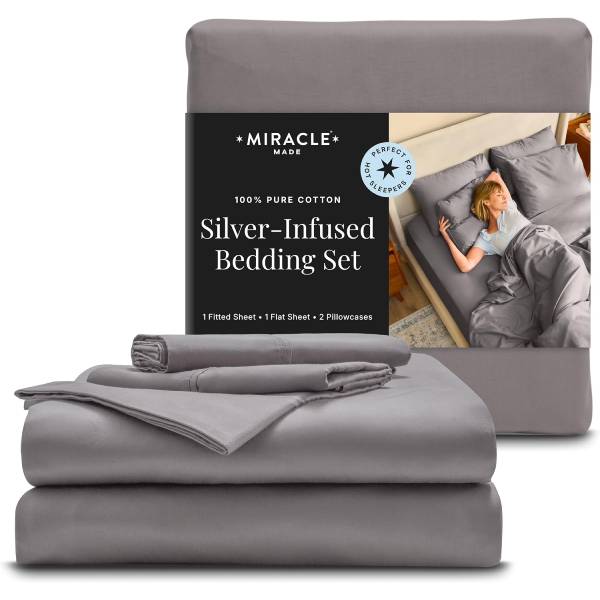
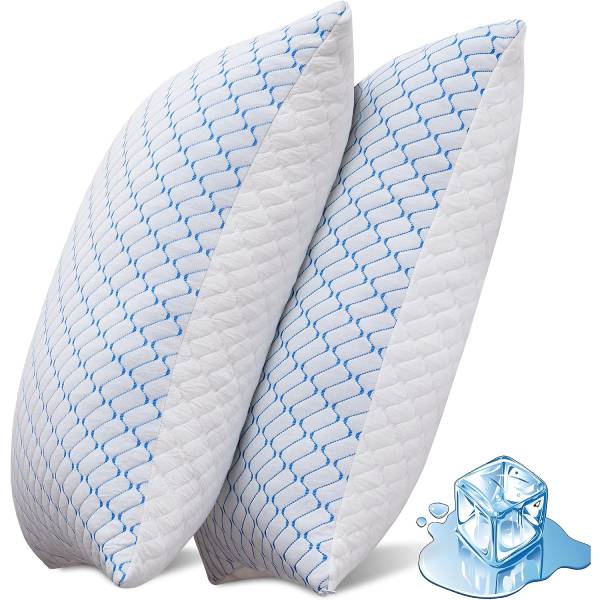
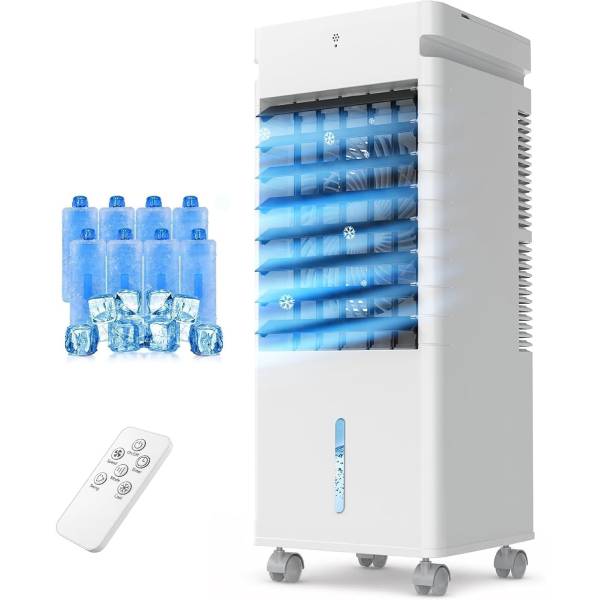
Pair your blanket with breathable cotton sheets, a cooling pillow and a bit of airflow from a fan or portable cooler. On warm nights, leave the comforter folded at the foot of the bed.
Quick test: if you wake up warm, remove the top layer first before replacing the blanket. Small changes often solve it.
Weighted blankets are not recommended for infants or toddlers, and children should only use one with a pediatrician's guidance. If you have a breathing, circulation or sleep-related condition, consult your doctor before use.